Grand Canyon - Things to Do in Grand Canyon in April

Things to Do in Grand Canyon in April

April weather, activities, events & insider tips

High Season · Book Early

April Weather in Grand Canyon

Temperature, rainfall and humidity at a glance

31 High Temp
23 Low Temp
0.4 inches Rainfall
70% Humidity

Is April Right for You?

Weigh the advantages and considerations before booking

Advantages
  • + April is the last month you can hike the inner canyon without calculating heat stroke odds. At 760 m (2,500 ft), the Colorado River corridor sits at 20-27°C (68-81°F) instead of June's brutal 38°C (100°F). That means Bright Angel Trail and the drop to Phantom Ranch stay walkable in morning hours, no death-march math required. The Park Service hasn't flipped the switch on summer heat restrictions yet. These close inner-canyon routes to hikers after 10am once temperatures spike. That timing window matters more than most visitors realize.
  • + April turns the Tonto Platform into a color riot. This broad shelf halfway between rim and river erupts in flowers you won't see any other month. White cliffrose blooms everywhere, pumping honey scent through air at 1,000 m (3,300 ft). Sacred datura opens white trumpet flowers along trail walls. Desert marigold splashes yellow across the terrace. Smart photographers plan their April trips around this two-week window when multiple species bloom together against red Redwall Limestone, a visual punch that summer's dry palette simply can't match.
  • + Late April. The Colorado River hits peak volume and color. Sierra Nevada snowmelt pumps it to 400-600 cubic meters per second, 14,000-21,000 cubic feet per second. Glacial flour suspends in the water, turning it jade green. This green reflects the canyon walls in ways the teal trickle of August simply can't match. River tour operators launching from Lees Ferry call April the most photogenic month for the river corridor. They've been running these trips long enough to know.
  • + Shoulder-season quiet is real, if you time it right. April as a whole is a busy month. But the weeks before spring break (roughly before March 28) and after it (after April 12, assuming Easter falls in early April as it does in 2026) see noticeably lighter crowds at the major overlooks. The Rim Trail between Mather Point and Yavapai Point, shoulder-to-shoulder in July, is walkable at a normal pace in late April. The Hermit Road viewpoints, accessible only by shuttle from March through November, have actual breathing room at most stops.
Considerations
  • Spring break hits the first half of April like clockwork, and the Grand Canyon becomes a magnet for every student with a car. Easter 2026 lands on April 5, this single date crams peak pressure into late March through April 12. During those days, parking at the South Rim Visitor Center is gone by 8:30am. Bright Angel Trailhead queues snake down the path before 7am. Mather Point, the canyon's most photographed overlook, feels like a subway platform; you'll jostle several hundred strangers for six inches of rail. No exaggeration. The parking lot proves it. If your dates bend at all, the gap between the first and third weeks of April is wide enough to plan your whole trip around.
  • April on the South Rim will fool you. One moment you're basking in 31°C (88°F) inner canyon heat, the next you're scrambling for layers as a storm drops 10-12°C (18-22°F) in twenty minutes flat. The rim sits at 2,134 m (7,000 ft) elevation, high enough for real weather. These aren't gentle spring showers. Afternoon thunderstorms build fast, bring wind and occasional hail, then vanish by 5pm like they were never there. The 10 expected rain days this month? They arrive as fast, loud canyon storms, not drizzle. Pack for both extremes. 31°C (88°F) inner canyon heat and 8°C (46°F) rim cold in the same day isn't optional, it's simply April reality.
  • Backcountry permits for overnight camping below the rim, Havasupai Gardens (formerly Indian Garden), Bright Angel Campground, and Cottonwood Campground, are allocated by lottery through the Backcountry Information Center four months in advance. Simple math. For April 2026, the permit window opened in December 2025. Missed it? Your realistic paths to an overnight inner-canyon experience are the mule trip to Phantom Ranch (books up months ahead too) or the walk-up cancellation lottery at the Backcountry Information Center. Show up early. Accept uncertainty. Day hikers need no permits. The overnight inner canyon is a different category of experience entirely.

Best Activities in April

Top things to do during your visit

Bright Angel Trail Guided Day Hikes

April is the canyon's sweet spot. The Bright Angel Trail, 15.4 km (9.5 miles) one way to the Colorado River, dropping 1,448 m (4,750 ft) through a billion years of rock, hits peak form. Morning shade lingers until 9am in the deeper sections. Temperatures hover at 20-25°C (68-77°F), not the 38°C (100°F) furnace of July. Wildflowers carpet the Tonto Platform. Iron-stained limestone below the second tunnel still holds winter's moisture. It catches light differently than July's dust-dry surface., this is serious work. Down to the Colorado River takes 4-5 hours. Back up demands 6-7 hours. The steepest grade arrives when you're spent, overheated, and your water bottle's empty. Smart guides turn around at the 3 Mile Resthouse or Havasupai Gardens. They're right. Check current guided options in the booking section below.

Booking Tip: Small-group guided hikes, 6-8 people max, are the only way in. Licensed guides must hold wilderness first aid certification, and the Park Service keeps a complete list of authorized operators. April weekday hikes fill 3-4 weeks ahead. Weekend slots vanish 5-6 weeks out. Those 5:30-6:30am departures aren't just early-morning theater. The shade difference in the upper canyon at 6am versus 9am is the difference between a good day and a sweaty slog. Check the booking widget below for current availability.
Colorado River Motorized Raft and Float Tours

The 446 km (277-mile) Colorado River corridor through the Grand Canyon, from Lees Ferry to Lake Mead, drops through 161 rapids including Lava Falls, the most powerful commercially rafted rapid in North America. River level changes everything. The walls rise 1,600 m (5,250 ft) above you. Absolute silence between rapids, no overlook can match this. The canyon narrows in sections like Marble Canyon to the width of a city block. April snowmelt keeps the river running at full volume and the characteristic jade-green color that fades by midsummer. Multi-day motorized raft trips (typically 3-6 days for partial-canyon runs) are how most visitors experience the river. Nights spent on sand beaches below the rim where the temperature at 23°C (73°F) low is comfortable for sleeping without a tent. The constraint is real: full 12-14 day oar trips book up 12-18 months in advance. Shorter motorized partial-canyon trips departing from Lees Ferry have more spring availability, and the current options in the booking section below will show what's still open for April 2026.

Booking Tip: Check the license first. Any Grand Canyon National Park operator must hold a valid commercial use permit, skip this and you're breaking the law plus gambling on quality. April partial-canyon motorized trips? Reserve 3-6 months out. Most outfitters won't take kids below their age minimums or guests who can't handle the rapids, verify both before you pay. Live seats show in the widget below.
Grand Canyon Helicopter Flightseeing Tours

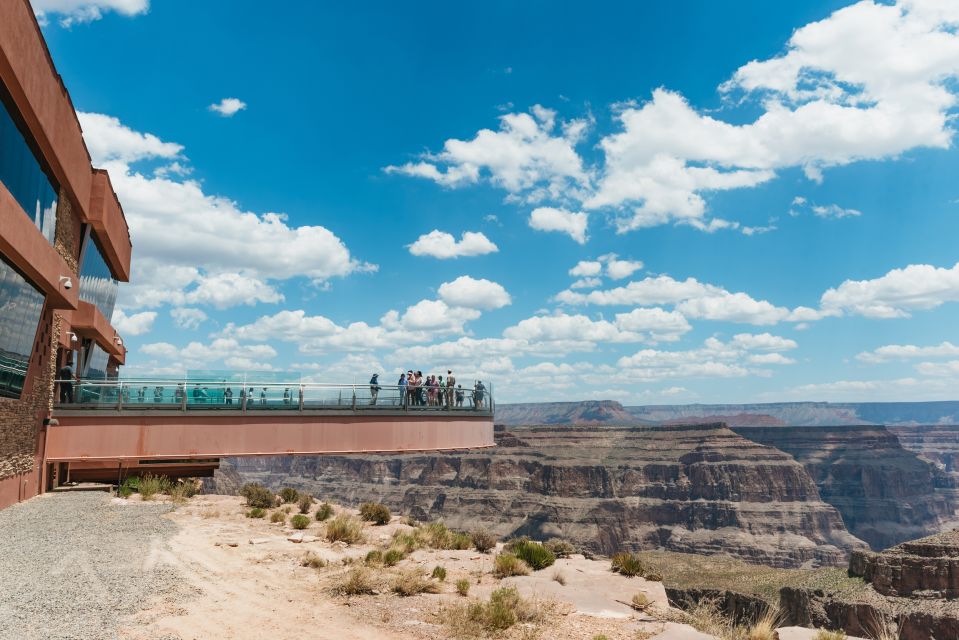
The human brain can't grasp the canyon's scale from the rim. An aerial view fixes that instantly. Hanging in a glass-windowed helicopter 300 m (1,000 ft) above the Kaibab Plateau while the canyon opens beneath you, 1,600 m (5,250 ft) deep, 29 km (18 miles) wide at its broadest, feels completely different from standing at Mather Point. April's clear skies and dry morning air give the year's best visibility. The lower April sun angle throws the canyon's side canyons into shadow, bringing the strata into sharp relief: Kaibab Limestone white at the top, Coconino Sandstone cream-yellow below it, Hermit Shale rust-red below that. The sequence reads like a geological table of contents. Most routes cross the Dragon Corridor, the widest section of the canyon, and descend to Colorado River level before climbing back to the rim. Morning flights departing before 10am consistently have cleaner air and lower turbulence than afternoon departures. The thermals that condors use for soaring build through the morning and make for bumpier rides by midday.

Booking Tip: South Rim departures from the Grand Canyon Airport near Tusayan give you more canyon per hour than Vegas flights. That's the first thing to know. Las Vegas runs tours too, but you'll spend more time getting there. Morning first-departure slots in April? Book 2-3 weeks ahead. Spring break week? Sometimes faster. The early bird catches the best light, and the last seat. Doors-off tours operate in April where available. Better photography. Sharper shots. You'll need layered clothing because cabin temperatures at altitude drop fast even when the ground feels warm. The air up there doesn't care about desert heat. Check current options in the booking section below.
Desert View Drive Touring

40 km (25-mile) Desert View Drive east from Grand Canyon Village to the Desert View Watchtower is the South Rim's quiet stretch, precisely because crowds cram the western viewpoints near the village. Grandview Point, Moran Point, and Lipan Point see a fraction of the Mather Point traffic. In April the Kaibab Plateau's pinyon-juniper forest along the drive carries a pale green new growth that the summer months lose. The Desert View Watchtower itself, 1932 structure designed by architect Mary Colter to evoke an ancestral Puebloan watch tower, rising 21 m (70 ft) at the rim's highest point at 2,296 m (7,533 ft), gives a view east toward the Painted Desert and the Vermilion Cliffs that most South Rim visitors never see. The practical case for a guided tour over a self-drive: Moran Point holds what geologists call the Great Unconformity, a 1.2-billion-year gap in the geological record visible as a clean horizontal line in the canyon wall where layers simply end and resume at a radically different time. It's the kind of thing that means nothing without explanation and becomes impossible to unsee once you understand it. Guided tours along this route typically include a geology primer that makes the entire canyon readable afterward.

Booking Tip: Morning light on the eastern walls, that is what you're chasing. Half-day Desert View Drive tours (4-5 hours) roll out of Grand Canyon Village at 8am sharp. Small-group rigs with a naturalist guide hit 5-6 stops, giving you real minutes at each pullout instead of the usual 10-minute shuffle. April weekdays? Easy to book. Weekends fill fast. Check the widget below for current guided options.
California Condor Guided Viewing Programs

Nine California Condors remained in 1987. The last wild birds were captured for captive breeding. Today the Grand Canyon reintroduction program has pushed that number past 500 in the wild, with about 100 regularly riding the South Rim thermals. April delivers the best odds. Nesting season means more activity in morning thermals. Cooler temperatures keep them at visible altitude longer, summer's midday heat forces them so high that binoculars become mandatory. That 3 m (10 ft) wingspan is unmistakable. Watch for wing tips splayed like fingers, barely flapping. They hold altitude with an efficiency smaller birds can't match. The stretch between Bright Angel Lodge and Yavapai Point on the Rim Trail posts the highest sighting frequency. Lodge staff keep informal sighting logs, check them. Ranger-led condor programs run early morning (7-8am) through the park's interpretive calendar. They dig deeper into the recovery story than trailhead signage covers. Each bird is tracked by wing tags. The reintroduction reveals how lead poisoning from rifle ammunition moves through the food chain. That detail reframes a bird sighting into something more.

Booking Tip: The condor programs land on the board at South Rim Visitor Center and Bright Angel Lodge one day early, check the night before. Private guided wildlife tours, condor-centric, canyon-deep, run 3-4 hours. Book 2-3 weeks ahead in April via the widget below. Bring binoculars. 8x42 magnification is the practical minimum for birds at altitude.
Phantom Ranch Mule Trips

Phantom Ranch sits at the bottom of the Grand Canyon at 768 m (2,520 ft), 1,366 m (4,480 ft) below the South Rim, and is reachable only by foot, mule, or raft. The mule trip drops down the South Kaibab Trail and climbs back via the Bright Angel Trail across two days, with a night in the stone cabins that Mary Colter designed in 1922. April is the sweet spot for this ride in ways you won't see from the rim: the inner canyon heat hasn't arrived, Bright Angel Creek runs clear and cold from snowmelt, and the cottonwood trees along the creek are leafing out in pale green that makes the canyon floor feel improbably lush against the surrounding red walls. The trail switch-backs through Kaibab Limestone, Toroweap Formation, and Coconino Sandstone in sequence, layers you've read about from the rim suddenly have texture and smell, the sandstone warm to the touch even in morning shade, the creek noise growing louder as you drop. The canteen at Phantom Ranch serves dinner and breakfast at communal tables in a stone building that hasn't changed its essential character since the 1920s. The beef stew, whatever you think of the novelty, tastes different after seven hours on a mule in the canyon. This is physically demanding, the mules do the work. But seven hours in the saddle is still seven hours.

Booking Tip: Phantom Ranch mule trips sell out fast, over a year ahead for April. The Grand Canyon's official concessionaire system handles all bookings. Last-minute cancellations for April 2026 do pop up. Check the booking widget below for current availability. A weight limit applies: 240 lbs / 109 kg with gear. The morning departure from the South Rim Corral at Grand Canyon Village is early. Overnight accommodation at the South Rim the night before is strongly advisable.

April Events & Festivals

What's happening during your visit

Mid to late April. The third Saturday through the following Sunday, likely April 18-26 in 2026.
National Park Week

National Park Week lands every April, Congress made it law, and in 2026 it will probably run April 18-26. The Grand Canyon waives vehicle fees on select days during that stretch. Plan around the crush because the freebie pulls extra cars and 6 a.m. parking disappears fast. The real payoff is the expanded ranger slate. Evening astronomy talks at Mather Point, South Rim is a certified International Dark Sky Park, feel easy in 23°C / 73°F night air, one hour on the rim, no jacket needed. Longer canyon ecology walks march you through rock and life zones in order. Junior Ranger ceremonies? Go anyway; adults clap loudest. Week-specific talks dig deeper into human stories than the usual loop: the Havasupai's unbroken tie to the canyon floor, the Harvey Girls who served the El Tovar dining room starting in 1905, the Kolb Brothers who built their photo studio at the Bright Angel Trailhead in 1904 and kept it clicking for 71 years. Check the park's online event calendar closer to the date for exact schedules and free-admission days.

April 22
Earth Day Stewardship Events

Dawn on April 22 beats the spring-break wave. Earth Day brings organized volunteer stewardship mornings at the Grand Canyon, no tickets, just registration. The Park Service runs them with Friends of Grand Canyon and the Grand Canyon Conservancy. You'll work 7am to noon along the Rim Trail and front-country zones, collecting microtrash and yanking invasive plants. The payoff is standing on the rim at sunrise with rangers and hardcore naturalists while the visitor center still sleeps. No canyon experience needed. The tasks are straightforward. Afterward, rangers drop the usual script. They'll talk trail erosion rates, condor lead poisoning data, how upstream management of the Colorado is rewiring canyon hydrology. Check the Grand Canyon Conservancy's event calendar for 2026 registration details.

Packing Checklist

Bookmark this page — your progress is saved between visits

Essential Tips

Insider knowledge and common pitfalls to avoid

Insider Knowledge
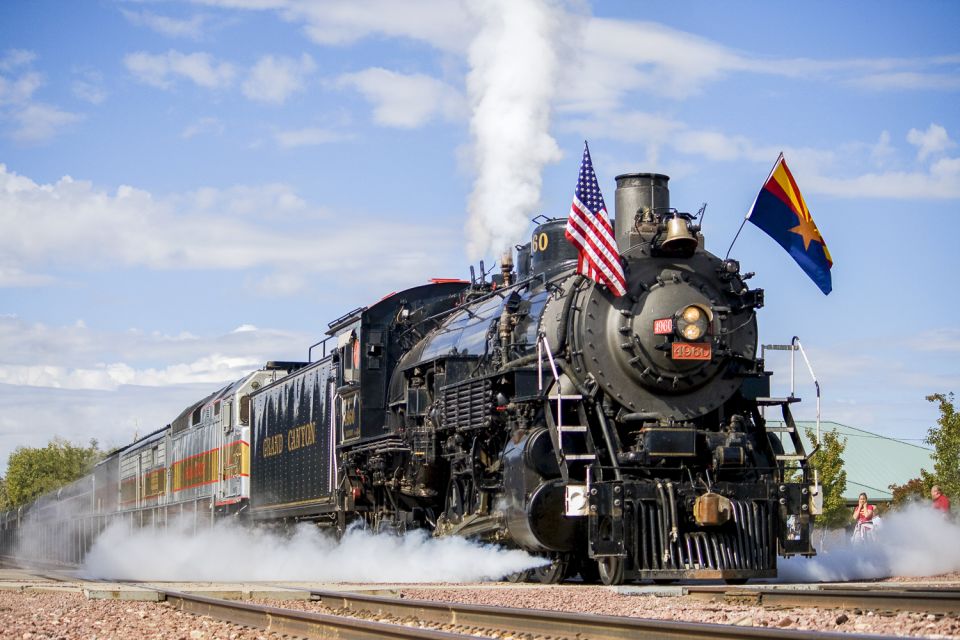
The free shuttle isn't a pity prize for lousy parking, it is the smartest way to travel the South Rim. From March through November, Hermit Road (11 km / 7-mile western leg) stays closed to private cars, so the shuttle becomes your only ticket. Trailview, Maricopa Point, Powell Point, Hopi Point, Mohave Point, the Abyss, Pima Point, Hermits Rest, each stop drops you at overlooks the windshield crowd never sees. Hopi Point at sunset? Worth every second. The sun sinks straight down the canyon's main east-west line from this perch, and the Redwall Limestone shifts through a 25-minute light show, red, orange, gold, rose, that eastern viewpoints simply cannot match. The last shuttle leaves Hermits Rest after sunset in April. The lottery drops cancelled permits at 8am sharp. Walk-up backcountry permits at the Backcountry Information Center, inside the Maswik Transportation Center, release each morning for dates 1-3 days out. Shoulder-season April, minus spring break week, still coughs up overnight spots for Havasupai Gardens or Bright Angel Campground through this process. You must arrive before the office opens. You might leave empty-handed. For flexible travelers, though, this is a real option. Day hikers? Zero permits required. The North Rim doesn't open until mid-May, usually May 15, so April visitors are stuck with the South Rim. Know this before you book. The North Rim is a different beast: 2,438 m (8,000 ft) elevation, twice the annual precipitation of the South Rim, coniferous forest instead of pinyon-juniper scrub, and a viewshed from the Walhalla Plateau that makes the canyon look appreciably wider. If you're weighing a late-April trip against mid-May and the North Rim matters, this is your deal-breaker. The 346 km (215-mile) drive between rims, they're only 16 km / 10 miles apart as the condor flies, means combining them in one April trip won't work. Skip the 8:30am parking panic. The Grand Canyon Railway, Williams, Arizona to Grand Canyon Village, delivers you straight into the park on a 1901-era rail line. No circling. No shuttle. Just 95 km (59 miles) of steel and pine. Two hours later you step off beside the El Tovar Hotel. Done. South Rim parking problem? Solved. The afternoon return gives you a full, unrushed day on the rim, coffee, trails, sunset, whatever you want. Coming from Flagstaff or Phoenix? Map the connection to Williams and lock in the morning train. The planning pays off. April at the Grand Canyon gives you 23°C (73°F) lows, warm enough to linger on the rim without the bite October brings. Rangers wheel out park-owned scopes at Mather Point or Yavapai Point. The Milky Way from 2,134 m (7,000 ft) inside an International Dark Sky Park looks nothing like the city sky you know. New-moon nights this month are black-out perfect if your trip lines up. Check the interpretive schedule the afternoon before, programs are free, first-come, and worth the wait. Yavapai Geology Museum, 0.8 km (0.5 miles) east of Mather Point on the Rim Trail, deserves a slow hour, even if you can't tell sandstone from shale. One panoramic window stares straight across the canyon to the North Rim. The exhibit uses the strata in that exact slice as its diagram. You read the caption while the real thing glares back. Rangers hang around mornings and answer questions the panels don't touch, why the canyon sits here, how the Colorado Plateau refused to erode, how the river's gradient and regional uplift carved this gash. They speak in time spans you can see, not just count.
Avoid These Mistakes
Don't try to hike the Colorado River and back in one day on the Bright Angel Trail. The Park Service posts explicit warnings at the trailhead, not because it is physically impossible. But because the route's 30.8 km / 19-mile round trip length, the 1,448 m (4,750 ft) vertical gain on the return, and the counter-intuitive structure of the hike (the hardest climbing happens when you are most depleted) produces rescues every month. The 3 Mile Resthouse is the recommended maximum turnaround for a day hike. The rangers mean it. A useful calibration: the descent takes most people 2-2.5 hours; the ascent back from the same point takes 3-4 hours. Plan your turnaround time by working backward from when you need to be on the rim, not forward from how good you feel going down. Spring break at the South Rim? Park before 8am or forget it. During the two weeks around Easter, main lots at the South Rim Visitor Center and Canyon View are full by 8-9am. Tusayan, the town just outside the south entrance, fills shortly after. Most visitors burn 45 minutes circling before they learn the fix. Park at the South Rim Visitor Center the day before. Memorize the nearest shuttle stop to your lodging. Ride free shuttles for the rest of the trip. Canyon Route and Village Route buses roll every 10-15 minutes, linking every major trailhead and viewpoint. Driving inside the park at peak hours? Slower than the shuttle. The numbers lie. South Rim signs list 2.4 km (1.5 miles) to the first resthouse, 4.8 km (3 miles) to the second, 7.6 km (4.7 miles) to Havasupai Gardens, easy day-hike math. They don't warn that the descent-to-ascent ratio runs 1:2 or worse once you're below the rim. Steepness increases. You're already warm and tired when the real climbing starts. Reach Havasupai Gardens at noon, feel great, and you'll assume the 3-hour descent equals a 3-hour return. Wrong. Add at least an hour, and that extra climbing happens in afternoon heat. Rangers teach one rule: whatever the descent took, the ascent takes twice as long. Plan from that baseline, not from distance.

Book Experiences in Grand Canyon

Top-rated things to do in Grand Canyon this April

Explore More Activities in Grand Canyon

Didn't see anything interesting yet?

Browse Viator's full catalog of tours, day trips, food experiences, and private guides in Grand Canyon.

See All Grand Canyon Tours on Viator

Frequently Asked Questions

What is the Grand Canyon like in April?

April is one of the best months to visit the Grand Canyon. South Rim temperatures range from 32°F at sunrise to 60°F in the afternoon, making hiking comfortable before the summer heat arrives. Spring wildflowers start blooming along the rim trails, and crowds are moderate compared to the peak summer months.

How crowded is the Grand Canyon in early April?

Early April is pleasantly uncrowded, the first two weeks before spring break ends and Easter weekend. You'll have no trouble finding parking at popular viewpoints like Mather Point before 9 AM, and trail congestion on Bright Angel Trail is light to moderate. Visitor numbers pick up significantly after mid-April as schools let out.

What should I expect visiting the Grand Canyon the first week of April?

The first week of April offers crisp mornings (often below freezing), mild afternoons, and excellent visibility after winter storms clear out. You might encounter lingering snow patches on shaded sections of the Rim Trail. But all major viewpoints and visitor facilities are fully open. Bring layers, the 30-degree temperature swing between dawn and midday is real.

Can you hike to the bottom of the Grand Canyon in April?

Yes, April is good for rim-to-river hikes like the South Kaibab or Bright Angel trails. Temperatures at the canyon bottom (around 82°F) are warm but not dangerously hot like summer months. Start before sunrise if hiking below the rim, carry three liters of water per person, and remember: going down takes 3-4 hours, coming back up takes 6-9 hours.

Is the North Rim of the Grand Canyon open in April?

No, the North Rim typically doesn't open until mid-May due to snow on Highway 67. Only the South Rim is accessible in April, along with the Desert View area on the East Rim. If you're set on visiting the North Rim, plan your trip between mid-May and mid-October.

What wildlife can I see at the Grand Canyon in April?

April is prime time for spotting California condors soaring near the rim, around the South Kaibab trailhead. Mule deer are active in the early morning near Grand Canyon Village, and you might see desert bighorn sheep if you hike below the rim. Elk are common but more visible at dawn and dusk.

Do I need a reservation to visit the Grand Canyon in April?

You don't need a reservation to enter the park. But if you're planning a rim-to-rim or overnight backcountry hike, those permits are competitive and should be requested four months in advance. Same-day lodging inside the park (El Tovar, Bright Angel Lodge) is usually booked out, so reserve those months ahead or stay in Tusayan.

What's the weather like at night in the Grand Canyon in April?

Nighttime temperatures at the South Rim drop to 25-35°F in April, and frost is common. If you're camping at Mather Campground, bring a sleeping bag rated for at least 20°F. Clear nights offer impressive stargazing, the park's dark sky designation means you'll see the Milky Way without light pollution.

Are helicopter tours worth it in April at the Grand Canyon?

April weather is generally stable with fewer afternoon thunderstorms than summer, making it a great month for helicopter tours if your budget allows (around $200-350 per person for 25-50 minute flights). Morning flights offer the clearest air and best photography light. Book directly with operators in Tusayan to compare prices and routes.